
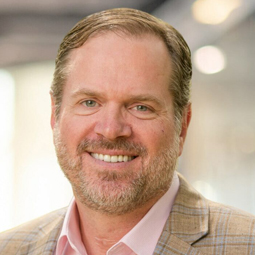
Jason Boyce is one of the true veterans of the Amazon marketplace. He started selling on Amazon back in 2003 and went on to build a top 100 seller account before founding Avenue7Media, a full-service agency dedicated to helping brands outperform their categories through smart, scalable strategies.
He’s the co-author of The Amazon Jungle and a recognized expert in areas like Amazon Ads, Amazon DSP, ASIN strategy, account reinstatement, and product safety compliance. His agency supports clients across both Amazon and Walmart, focusing on profitable growth and cutting-edge solutions like Bottom-Up Audience Building for CTV.
Highlight Bullets
> Here’s a glimpse of what you would learn….
- Challenges faced by e-commerce sellers on Amazon, including shrinking margins, tariffs, and increased fees.
- The impact of black hat tactics on legitimate sellers.
- Opportunities presented by connected TV (CTV) advertising and generative AI for brand growth.
- Introduction of the “stair step to the cloud” marketing strategy, focusing on a full-funnel approach.
- Importance of optimizing bottom-funnel PPC advertising and leveraging Amazon Marketing Cloud data.
- The role of creative content and high-quality marketing materials in justifying premium pricing.
- Strategies for retargeting and prospecting new customers using demand-side platform (DSP) advertising.
- The significance of building brand trust and credibility through TV advertising.
- The “seven avenues” strategy for comprehensive brand growth, covering presence, financials, traffic, customer knowledge, creative, product quality, and rivals.
- Predictions for the future of e-commerce, particularly the influence of AI on organic ranking and customer engagement.
In this episode of the E-Comm Breakthrough Podcast, host Josh Hadley interviews Jason Boyce, Amazon marketplace veteran and founder of Avenue Seven Media. Jason discusses the challenges facing Amazon sellers, including shrinking margins and increased competition, but highlights new opportunities in connected TV (CTV) advertising and generative AI. He introduces his “seven avenue strategy” for brand growth, emphasizing the importance of strong foundations in presence, financials, traffic, customer knowledge, creative, product quality, and competitor analysis. Jason also predicts AI-driven commerce will soon revolutionize online shopping, urging brands to adapt and leverage emerging technologies for long-term success.
Here are the 3 action items that Josh identified from this episode:
- Expect challenges and embrace change – Ecommerce is tough; lean into hard times as opportunities to innovate.
- Fix weak business foundations – Tackle at least one of the seven core areas (Amazon presence, finances, traffic, customer, creative, product, competition) and improve it step by step.
- Leverage new channels like CTV – Test connected TV ads as a cost-effective way to scale brand awareness and reach targeted audiences.
Resources mentioned in this episode:
- Josh Hadley on LinkedIn
- eComm Breakthrough Consulting
- eComm Breakthrough Podcast
- Email Josh Hadley: Josh@eCommBreakthrough.com
- Avenue Seven Media
- Lift AI
- ChatGPT
- Grok AI
- Gemini
- Perplexity AI
- The Amazon Jungle (by Jason and Rick Cesari)
- The Five Dysfunctions of a Team
- Jason Boyce on LinkedIn
- Jason Boyce on X (formerly Twitter)
Special Mention(s):
Related Episode(s):
- “Cracking the Amazon Code: Learn From Adam Heist’s Brand Scaling Secrets” on the eComm Breakthrough Podcast
- “Kevin King’s Wicked-Smart Tips for Building an Audience of Raving Fans” on the eComm Breakthrough Podcast
- “Unlocking Entrepreneurial Greatness | Insider Secrets With E-myth Author Michael Gerber” on the eComm Breakthrough Podcast
Episode Sponsor
This episode is brought to you by eComm Breakthrough Consulting where I help seven-figure e-commerce owners grow to eight figures.
I started Hadley Designs in 2015 and grew it to an eight-figure brand in seven years.
I made mistakes along the way that made the path to eight figures longer. At times I doubted whether our business could even survive and become a real brand. I wish I would have had a guide to help me grow faster and avoid the stumbling blocks.
If you’ve hit a plateau and want to know the next steps to take your business to the next level, then go to www.EcommBreakthrough.com (that’s Ecomm with two M’s) to learn more.
Transcript Area
Jason 00:00:00 We have what we call this stair step to the cloud. What’s in the cloud? Your brand is famous now, right? And we in the old days, you. You couldn’t do this if a client came to us and they had no brand search volume on Amazon. They had no brand search volume really to speak of on Google were like, hey, don’t do Amazon right now because there’s nothing. We’re bottom funnel here, man. We’re a sales channel. We can’t do much to improve your brand or do anything. Those are the old days. But now you can actually build a brand. But we start by inverting the old advertising funnel a little bit.
Intro 00:00:36 Welcome to the E-comm Breakthrough podcast. Are you ready to unlock the full potential and growth in your business? You’ve already crossed seven figures in sales, but the challenge is knowing how to take your business to the next level.
Josh 00:00:50 Ready to learn the best PPC strategies working on Amazon today? Or are you ready to dominate as Amazon shifts into AI optimized rankings.
Josh 00:01:00 Welcome to the Econ Breakthrough Podcast. I’m your host, Josh Hadley, where I scaled my own brand from 0 to 8 figures in sales. And now my mission is to take it to nine figures on my journey to nine figures. I bring you the unfiltered conversations with the smartest minds of eCommerce. Past guests include Kevin King, Michael E Gerber, author of the E myth, and Stephen Pope. I’m giving you the real strategies, systems, and the mindset that help entrepreneurs like you scale from 7 to 8 and even nine figures. Today’s guest is one of the true veterans of the Amazon Marketplace. He started selling on Amazon back in 2003, and went on to build a top 100 seller account before founding Avenue seven media, a full service agency dedicated to helping brands outperform their categories through smart, scalable strategies. He’s the co-author of The Amazon Jungle and a recognized expert in areas like Amazon Ads, Amazon DSP, Asin strategy, account reinstatement and product safety compliance. His agency supports clients across both Amazon and Walmart, focusing on profitable growth and cutting edge solutions like bottom up audience building for CTV.
Josh 00:02:16 So with that introduction, welcome to the show, Jason.
Jason 00:02:18 Thank you, Josh, thanks for having me on the show. I’m a big fan. I’m a follower and a listener and love this podcast, so I’m really excited to be here.
Josh 00:02:26 Awesome. Well, Jason, you, you’re like an OG in the Amazon space. Like, my goodness, like you’ve been around the block a time or two here. And that’s what I’m actually, like, very interested in having you on the shows like most people like, hey, if you have a decade of experience on Amazon like that, you’ve got a lot of experience for you, like double that, right? like we’re talking two decades of experience here for yourself. So you’ve seen the evolution. You also can kind of get a glimpse of like where the puck is moving. And that’s what I’m excited. Today we’re going to be diving into where you see things going with your clients. What are you advising them on so that they can continue to dominate in their categories? Jason, I know this is the biggest pain point that people are going through right now if they’re selling on Amazon.
Josh 00:03:19 Margins are shrinking because you have overseas competitors charging less and less despite the tariffs, despite increases in Amazon fees. And then you also are fighting people just black hat tactics on a continual basis. Amazon’s never been harder than it is now and it’s only going to continue to get harder. So Jason what are you telling brand owners if this is what the e-commerce landscape looks like right now?
Jason 00:03:46 Yeah well thanks Josh. It’s a tough time right now. you know, even in our agency in Q1, we were growing 50% and that dropped at to 35% year over year. Tariffs. Tariffs. Tariffs. AI. Right. I think those two are things that are that are happening. The the the nastiest thing about the tariff. There’s two parts. Number one it’s taking seller’s cash flow. The folks that are following the rules and abiding by the rules that are taking 20% of their cash, and they’re giving it to the US customs agents when it lands, rather than holding on to it until after it sells. And that sucks.
Jason 00:04:20 And the part that makes it suck worse is that the Chinese brands are laughing at us because they’re $40,000 container that just landed all of a sudden is showing up as a value of $5,000, and nobody seems to be doing anything about it at the customs border. So this is a really challenging time for brands. I understand that margin. in fact, one of our seven avenues is part of our seven Avenue strategy is financial. And we look at contribution margin down to the Asian level because frankly, Josh, I was a seller for 17 years and I have all that scar tissue from making mistakes and learning the hard way. And I understand how important not just growth, but profitable growth is to sellers. so yeah. First of all, it’s a tough time. I recognize that, I see it, I’m feeling it myself. on the other hand, it’s one of the most exciting times I’ve ever seen, in e-commerce. And and why is that, number one? You know, we’ll we’ll get into the details of this.
Jason 00:05:20 there has never been a time since maybe 1947 where a challenger brand can take advantage of TV marketing. That is cheaper than meta, by the way, to become a famous brand for the next 100 years. There has never been a moment like this, except when this little company that nobody ever heard of called Procter and Gamble moved all of its advertising from radio to this new medium called TV that everybody was laughing at because people were buying TVs for their house. And now, of course, everybody knows who Procter and Gamble is. But that was their moment. This moment is now. And the transition from linear TV. Linear TV is dead. Long live. I call it CTV. Connected TV, streaming TV ads, whatever you want to say. It is massive. It’s like, you know, performance, marketing and TV had a baby when it comes to Amazon full funnel. So that I’m really excited about that. Josh, the second thing I’m really excited about and it’s terrifying at the same time, you know, I got a town hall meeting with my team later, and we’re implementing a lot of generative AI, right? And we’re we’re using it as force multipliers for our team.
Jason 00:06:34 And many people on our team are really nervous about their jobs. And I’m like, well, so were the Luddites who were hand weaving cloth in the 1800s. And they were terrified that these new looms were going to, you know, ruin the world. And guess what? It ended up creating more jobs. That’s the moment the entire technological world is being platformed on top of Llms and I have Josh. I’ve as difficult of the time as it is. I have waited my entire career for what I call a pregnant moment in time. Like right now, the the future belongs to those who are jumping at this opportunity and are aggressive.
Josh 00:07:14 Love that Jason. This I love that you let in with like there’s actually some really bright opportunity despite the challenges that people are facing. It’s all about just like, how long can you stay in the game? That is the key thing. Because if you can just like keep staying in the game, right? I think it’s the weak brands that are going to drop off.
Jason 00:07:35 oh yeah.
Josh 00:07:36 I and that’s what I actually like. I like as Amazon like the compliance requests on Amazon are shooting through the roof now. Yep I say good now. It makes it harder for me, for sure. Like, now I have to jump through all of these hoops. But I say good because like, it has now increased the barrier to entry. And for the other brands, the overseas brands that don’t want to play by the rules. Good. Then you’re gonna get kicked off or it’s just that much harder. So I love those opportunities. So I share your exact same sentiment. It’s never been more challenging, but there’s never been more opportunities, especially with AI, the where technology is going. And CTV, which we’ll talk about like I love those as massive opportunities. So, Jason, we started off this podcast by saying like, hey, you want to know the best PPC strategies that are working on Amazon right now? Sure. You and I talked about that. It’s not about the PPC strategies, to be honest with you.
Josh 00:08:36 It is having that full funnel marketing. That is where the real brands that are going to thrive over the next 3 to 5 years, that’s where they’re going to. So, Jason, why don’t you walk through and say like, okay, yeah, PPC, it’s table stakes. You should just be doing it. But what else should people be doing if they’re trying to market their brands on Amazon?
Jason 00:08:59 I love the question, Josh. we have what we call this stair step to the cloud. What’s in the cloud? Your brand is famous now, right? And we in the old days, you you couldn’t do this if a client came to us and they had no brand search volume on Amazon. They had no brand search volume, really, to speak of on Google. We’re like, hey, don’t do Amazon right now because there’s nothing. We’re bottom funnel here, man. We’re a sales channel. We can’t do much to improve your brand or do anything. Those are the old days. But now you can actually build a brand.
Jason 00:09:31 But we start by inverting the old advertising funnel a little bit. We start at the very bottom and we work our way up. What’s the old way? Linear TV. You’re a big brand. You know Procter and Gamble got in there when it was super cheap. And then you know every time they launched a product they put a $50 million ad campaign. They poured buckets of money at the top of the funnel, knowing that a good chunk of that was just burned cash. They didn’t really know who their audience was. They were dependent on, you know, some TV metrics that weren’t very good. It wasn’t laser targeted. And you hoped that a lot of that money trickled down to the bottom line. And it did. When you’re pumping 50 million to $100 million TV campaigns, right? that is the old way, and we don’t have to do that. And so what they’re trying to do by pumping all that money in the top, is to let and identify who their customer is. By the time the bottom of the funnel hits.
Jason 00:10:29 And so as soon as Amazon started introducing CTV DSP, we at Avenue seven media immediately began building our stair step to that cloud. What is it when your brand search volume is the majority of your traffic? What does that look like? Right? And so what does it look like when people are walking down the street and they tell their friend about your brand? you know, what does it look like when you go to sell your company instead of looking at a multiple of the bottom line EBITDA? You’re looking at a top line multiple of your growth of your of your of your top line, multiple of top line. Right. What does that look like and how do you get there? That’s the cloud. We literally start with PPC jobs. So you’re wise to bring it up. Look we still see clients come to us and we’ll do an audit for them. And we’re like, gosh, you’re so dependent on broad and automatic campaigns. You got you got keywords in here that should have been negated. You’ve got great long tail keywords that you should be pulling out, doing exact campaigns, putting those at top of search.
Jason 00:11:30 So there’s still table stakes that folks just aren’t doing on the PPC side that will make their campaigns more efficient and tighten up that bottom funnel. We see it every day. however, the sort of this new addition announced at last year’s Amazon Unbox conference is the ability to use your AMC account to layer ESP campaigns on top of your audience. Now, why is that important? Josh, we don’t have a single client who’s the low cost leader. Every one of our brands that we work with is at least 30% more expensive than that Chinese competition that that you mentioned. And I try to break it down in this way, like of the let’s say let’s round up and let’s say there’s 300 million Amazon shoppers, there’s a bottom tertiary there that’s never going to buy your product. Who cares? I don’t want to serve an ad to them. There’s a middle group that maybe if the timing is right, if their budget is looking good, but that top third is the sweet spot for our brands. That’s the folks like my wife, who will never buy the cheapest thing because she doesn’t trust it and really likes brand trust, right? And if you can present and you can justify the best quality marketing materials and and shopper facing, images, images, video copy that speaks to why your product is more the benefits of your product and why it’s more, you will have a better conversion rate.
Jason 00:13:01 Your ads will work better if you can take once you get to 2000 orders, plus build an A and, you know, open up an AMC instance and identify at that first step of the stair step who your customer is. And this is the old Facebook marketing game, right? Identify who your customer is. Remove those campaigns from pitching to the bottom tertiary. Of those 300 million layer and on top of your customer base, look alike that audience. Get that tight. Know your customer. That’s the customers avenue that we have over here. We need to know who that customer is now more than ever on Amazon, then you can take that. You can expand that audience with what we call bottom funnel DSP, demand side platform display of videos. We’re just going to retarget. We’re going to take that DSP. There are so many levers that we can pull in DSP that’s so much better than sponsored display retargeting. The higher your price point, the more retargeting is going to work. We have seen at the low end of four Roas on bottom funnel DSP all the way up.
Jason 00:14:09 I saw one this morning as I was looking at my client reports 15 Roas. All we’re doing is we’re doing two things on DSP bottom funnel competitor conquest, and we’re doing retargeting. And so those metrics are still t roas tacos. You could still stay there. There is a point where your business doing those two things will have a really nice growth pattern. And then you’ll hit an inflection point. So then what what do you do? You can go talk to you, Josh, and say, how do I do this TikTok thing? And how do I get a viral video? Right. Or, or you can do some of the things like one of your previous guests that I can’t remember his name, the guy that was doing the liver supplements. You can build your Clickfunnels, which I I’m all for. Everyone should be multichannel in today’s day and age. If you’re only on Amazon, I don’t recommend that everywhere, every shelf space that your product occupies is the equivalent of an online impression. Every time someone sees that brand interacts with that brand, you’re building to that cloud of becoming a famous brand for the next 100 years.
Jason 00:15:12 Okay, so back to my stair step. you start, you build your AMC instance. Know who your audience is, build your avatars, make sure that you’re creative. Now I’m talking about the creative avenue. Make sure your creative is speaking to exactly who your audience is. You learn that from the AMC data. Build out your your your customer segments and your customer personas. Make sure when you go to your landing page your A plus your brand star. You see those people in it. Those people need to see themselves in your product and they will convert at a higher rate. When you do that, go up the funnel to the next step. Bottom funnel DSP. Build your DSP, instance, identify those audience, expand that audience, retarget the crap out of it, because you’re going to go from tens of thousands to potentially hundreds of thousands, you know, 50,000, 60,000 audience continue to build. Once you reach that inflection point, the next step is to go upper funnel DSP. So you’re not looking at conversion metrics as much anymore.
Jason 00:16:13 You’re looking at a lot of other things, right? You’re looking at, you know, what is your what is your traffic? Are your impressions, improving. What is your new to brand count? And, you know, our team, I think is one of the best in the business at massaging and fine tuning that audience. So we’re getting in front of people who do not know our client’s brand, but who look and share the exact same buying signals as every one of your existing clients. So that look alike idea, right? We’re going to look alike. We’re going to expand it. We’re going to get in front and introduce your brand with Ovi Display, you name it. and really take up more of that market share space so that you can grow your brand. You’ve got to introduce new brands. There’s two ways to grow your brand. So more to the people who are already your customer, or sell stuff to customers who you’ve never had before. You’ve got to introduce that. NB. So and that’s the fun part.
Jason 00:17:12 What we do is we try to get as many videos out there with as many different customer segments included into the videos. and, you know, we’ve got great partners who can either shoot videos or if you don’t have the budget for that, we can use AI to develop a bunch of videos, and they’re not as good a quality, but the messaging is is tight. once we identify some good video that performs well on mobile through of DSP, that’s when it’s time to to go to the graduate course. This is the PhD. Now you’re going to take all of that audience data. Remember instead of burning cash at the top, we’re building sales and audience from the bottom up. Now you go and you take that 100,000 users, and you expand that to a million and 2,000,003 million and ultimately 5 million. There’s 150 million users on. And it’s not just prime anymore. Josh. It’s every single channel. And the way we address it is we say, look, we’re not like the old TV guys who will come in and say, hey, I got a Seinfeld episode here and your audience is in here, so let’s carpet bomb all of your audience.
Jason 00:18:21 Yeah, sure. There’s going to be some of your audience that would never buy your product, but we’re going to put your ad in front of them anyway. We don’t do that. And in fact, we tell our clients we don’t give a shit what they’re what your audience is watching. So as long as it’s your audience who’s watching it and we see some crazy TV shows, sometimes they’re Spanish speaking TV shows. Sometimes it’s like, I didn’t even know this was a streaming channel, but we served that great television ad. It doesn’t even have to be TV quality to have results. By the way, we’ve had people take Facebook ads and put them on on Prime. We get all of those views. They’re all new to brand. We exclude anybody who already knows the brand. Why pay for that? and then once we capture that view, we dump them into a retargeting campaign. Now we got them, and they’ve got that hit in their unconscious that this brand is to be trusted. Because there’s still something that’s very unconscious that builds trust.
Jason 00:19:20 When people see a brand on a television screen, even more so than on a mobile screen. Now, maybe the younger generation is different. Josh, you’d know. You’d know better than I. But, like, you know, I still think that seeing a brand on TV makes it a real brand. And and here’s the best part, Josh. Well, the the strategy that I just talked to you about is cheaper than a meta ad. Now, if you want to do Thursday Night Football, that’s going to cost you, right? That’s going to be very, very expensive. It’s going to be like old TV money. But we don’t even care about Thursday Night Football. We care about pumping your brand in front of millions of nudibranch customers that have your signal, so that we can capture them and retarget them across the internet. Now let’s talk about some of the outcomes. Not only do we see ROI. Not only do we see sales revenue growth, that nudibranch metric goes through the roof. It’s hockey stick growth.
Jason 00:20:15 We see an increase in BSR bestseller rank. I’m talking like 100% improvement sometimes, you know, triple digit improvement on BSR. If you have a CPG type product, we see a hockey stick growth in subscribers, which is recurring revenue, and we can even target specific subscribers who are more prone to subscribe to a product for that lower cost value, that lower price point. we see brand lift go crazy. And I’m only talking about on Amazon right now, right? We see profit margins increase in spite of, you know, an a minimum spend for CTV, 30,000 a month, 30,000 a month. You couldn’t do that for a quarter of a million before, right? In the old days. Now, for 30,000 a month, you can turn that into 100,000 in very short order in additional revenue with nudibranch customers that now you can remarket for the rest of their time that they’re in that system. It’s your audience. You can expand that audience. But here’s the other thing that was the most interesting is sort of the halo effect.
Jason 00:21:25 remember when we were first talking about Amazon? In the old days, it was just a sales channel. It was bottom funnel. We have we also manage our clients Walmart, business as well, and Walmart ads. It’s getting better by the day. We’re doing some on site stuff now, seeing some very nice Roas there, but it’s just not yet as evolved as the Amazon or Google platform. And so we were looking at one brand that we had just launched TV on, and all of a sudden their Walmart business went up 50%. So I get on slack and I reach out to the ad manager and I said, hey, great job. What are you? What are your key learnings on what you’ve done to increase the the sales via at Walmart Connect ads? And he goes, I did nothing, I didn’t do anything. I didn’t change anything. I’m like, you’re kidding me. We talked to the brand. What else did you guys do? Did you guys have a were you on NBC or something? Did you have a TV spot? Did you get an influencer TikTok video hit? What happened? And there like? No, nothing.
Jason 00:22:24 Correlated data said. We ran an Amazon CTV ad and it grew their Walmart business 50%. And then we did it again and we saw it again, 45%. And then we did it again, 60%. So Amazon TV, which will put your brand in Prime shows, it’ll put it in Netflix shows soon. Coming now that that that headline just came out today, it’ll put it in front of streaming channels that you’ve never heard of, and it will gather and grow your audience so that you, as your brand, can go from challenge your brand to one of the most famous brands for the next 100 years. That’s the full funnel bottom up approach. Josh.
Josh 00:23:06 Man. Jason, this is, this is a wealth of information to to dig into. I love that you’re walking up like a true full funnel. Who do you think this is for? I mean, $30,000 a month. Like, for some people, Like, that’s a lot of money, right? So like, what size of brands would you say this is appropriate for and at what scale.
Josh 00:23:30 Right. And what revenue threshold do you think like, hey, like once you cross this and maybe it’s not even a revenue number, but like once you do this, this and this, then it makes sense to turn those things on. What what is that for you?
Jason 00:23:45 Yeah. And it’s a great question, Josh. And it’s really brand dependent. you know, each brand is its own story. For our clients, if you’re doing 100,000 a year or 500,000 a year, we’re probably not going to say, hey, you’re ready for CTV right now. But what we’ll do is we’ll start heavily on building up that audience. We’ll use that AMC instance and we’ll start refining it. the higher price points, we may also introduce that bottom funnel DSP because we get it, we want them to make more money at the point that their contribution margin reaches a certain level. And, you know, for AMC and since you got to have 2000 orders. So if you’re a startup, you got to get to at least 2000 orders before you start building DSP.
Jason 00:24:26 You take your best selling product 5000 a month. We can do bottom funnel DSP. That’s freaking awesome. It’ll generate 15,000 in sales after the first 30 or 40 days. And then we can add your next best selling product and really grow that bottom funnel. We’ll make sure that you’re you’re managing and you’re doing all of the best practices that a lot of folks forget about. They get so focused on driving traffic that they forget about the optimization piece. We’ll make sure that your bottom funnel is locked and tight. We’ve had brands come to us and they only want us to do DSP, CTV, and we start with them and then we’re like, you know, they may not be seeing the results and we’re begging them. Look at your sponsored ads layout. Let us go in and do an audit. And then, you know, we give them the audit and they can’t execute. And I’m like, just let us do it. So we’re actually stealing sponsored ads business from some of their internal teams because it’s it’s complicated now, Josh.
Jason 00:25:19 Back in the old days, I’d run up an auto campaign for $0.05 a click, and I was mad. It was magic. But it is. It is PhD level work. Now to figure out how to do the right sponsor. right. Sponsored strategy and execute it and DSP and then CTV. So, you know, the simple answer is but but but it works for let’s say they get to 2 million depending on what your contribution margin is. If you’re a 2 million, your first two steps are rock solid. And you’re starting to see that inflection point. We will come to you and say, guess what? It’s time to go up a funnel. We need to introduce some new to brand customers. Why not harvest everything that’s there already first, and put that money in your pocket so that you can get ready to reinvest some of those dollars later on. We’ve got other brands who are, you know, fortune 500 companies. They come to us with much bigger budgets. You know, we love those guys.
Jason 00:26:11 But even those guys, it’s like we have to unlearn what they know about linear TV to help them understand this massive opportunity in front of them. And the one way that we get to those through to those big brands is, is, listen, I’m having a dozen conversations a week with challenger brands. Some of them are in your category and they are going to kick your ass if you don’t get this right, right now, cut off your linear TV, pull back on some of your Facebook ads that aren’t converting, and let’s dump it into TV and do it the right way. And so I think that’s a roundabout way of answering your question, Josh. And you follow up questions with that.
Josh 00:26:47 No, I like that. Is this anything that like is there an off the shelf solution or is this exclusive to there’s only a limited number of agencies that can actually do the CTV type of ads. Really. I mean, that’s the way DSP originally was with Amazon, right? Is like, no, you have to go through an agency now.
Josh 00:27:07 It’s getting opened up a little bit more. But tell me like that because there’s going to be do it yourself. Or is there like I’m just going to go do this myself. Is that even a possibility or talk to me about that?
Jason 00:27:19 No, it’s a great question because there’s you can go to Amazon ad execs and Amazon ad execs can sell you DSP. But what what we’ve witnessed, whenever brands have come to us who have gone that route, they they’re taking the top down approach and then they burn in their minimums $30,000 a month, and then they, you know, they burn through 60 grand over a minimum 60 day period. And they’re like, DSP doesn’t work. And then they give up. I actually was a guy who did that back when I was a seller. Josh, in my book, The Amazon Jungle, I’m telling everyone that was released in 2025, don’t even bother with DSP because it’s an ass pain and it’s just a burn cash. Stay focused on bottom funnel. Build your brand off that.
Jason 00:28:02 So that’s in print. I can’t remove it. It’s there. and so you can do that, you can go to an ad exec. AD execs like Big Spend and their top down approach. The other way to do this. If you happen to be around when Amazon was handing out DSP seats like candy back in the day, which they’re no longer doing, and you have your own DSP, you can do it yourself. if you don’t have your own DSP seat, then you need to work with either a tech partner like us or an agency like us who has their own DSP. And you know, Josh, I think eventually they will get to more of a self-service model, but they just need more front end capabilities. Like, you know, you need to be able to write SQL query codes. And now, you know, AI is doing some of that. But this is a totally different part of your brain, as you know better than anybody, because I know you’ve dealt with, you know, DSPs before.
Jason 00:29:03 and then then on the sponsored side. And so I would not recommend trying to do it yourself to start with, unless you’ve got your own DSP. DSC DSC people are expensive. The the good ones are very expensive and it’s tricky. But if you got your own seat, you can do it. If not, find a tech partner who will give you access to a DSC.
Josh 00:29:24 Awesome. Love it. That makes a lot of sense. And then it’s 30 K so is that 30 K split amongst DSP and CTV or is it like in addition to your DSP spend which is your retargeting. Yeah, you’re also adding an additional 30 K. So like walking me through that is like 30 K all in or more than that.
Jason 00:29:44 So it’s more than that because we don’t want to give up on the DSP spend too. And if you got, you know, 5 to 10,000 in a couple of cases that you’re retargeting, but you know that that 5 to 10,000 is going to be delivering 20 to 30,000 or more in revenue for you.
Jason 00:30:01 And so you don’t want to cut that off. You know, that’s kind of part of this full funnel approach that must be there. And you can spend a lot less on retargeting on DSP for much better results than you can with sponsored display, and then the TV would be in addition to that. And you know, we got to look at your financials. We got to look at your RSM your revenue scenario model. And we got to look at what the next 12 months is. We’re going to show you what we think we can do with that additional TV spend. Have you talked to your factory by the way. Because we fully expect your volume to go up dramatically. Have you talked to your bank? Have you expanded your line of credit? Have you shown them your forecast? Because this is coming when we launch this, this is going to happen and you better have your operations and your finances and your factory and your banks all ready to support you on this, you know, accelerated growth path that this TV will produce.
Josh 00:30:53 Interesting. You’re that confident then with this strategy that like any brand that you’ve worked with, you’ve had success with the CTV. It’s like and it’s it’s almost like this, Jason, we’ve had previous guests that have been on the show that have been on Shark Tank, right? And everybody knows the day you’re at Shark Tank episode airs. People’s websites are breaking, massive influx of customers, blah blah blah. Now I’m not anticipating, like, you know, Shark Tank level like, oh, all of a sudden, like the floodgates are open, but like, you’re that confident in saying like, double your Po next time. And people are like, what do you mean? Like cash flow is already tight? Like, yeah, tell me to double. This thing is like, are you that confident in the strategy? And like, what’s the true ROI? because I you mentioned the halo effect. Yeah. talk to me more about that.
Jason 00:31:45 So, there are requirements, right? And we’ve been talking we have the Seven Avenue strategy.
Jason 00:31:52 We’ve been talking about the traffic avenue. Right. But, you know, if you’re a full service client, we do one thing for brands or we do everything for brands. That’s kind of the way our agency works. If you only want to manage, we want us to manage ads. You only want us to do sponsored ads, we can do that. If you only want us to manage the presence avenue for you, which is product availability, we can we just we have some very big contracts on retainer where we just make sure that the brand listing stays hot and accurate and doesn’t break. And when it breaks, we fix it. We monitor it every day. And so the seven avenues, so long as you have a solid seven avenue strategy, then yes, the answer is yes to your question. And the ROI is significant. The return on investment is there and it varies depending on product. It varies depending on your brand awareness at the time of start, but it is there. And what is the seven avenues? Maybe I could just take a minute.
Jason 00:32:43 I’ll just I’ll just run you through it on a speed round. So presence includes account health listing health and inventory status if you’re out of stock, if your listing is taken down, if your search suppressed, you’re losing every bit of money every day for that one asset and it needs to be fixed. If your account goes down, it’s a big trouble. So we monitor that. And in fact we’re about to launch AB seven lift dot AI present SaaS generative AI tool that helps you monitor alert and root cause. What some of these presents problems are. We see it in the ads console. Like we can’t run ads on this anymore. Why? Because you got a presence problem, you know? so that’s presence is number one. Number two is financial. We talked a lot about already some of the things that are in there. Getting a PNL from seller central shouldn’t be this hard. Our tool does that right. We do that for you. you know getting knowing what your profit margin is for a single ation should not be that hard.
Jason 00:33:40 and, you know, spreadsheets suck. And so Financial Avenue is the next one. The third is Traffic Avenue. I just laid out for you, Josh, our entire full funnel strategy. That is killing it for the brands that are that are doing this, the next avenue is customers. You must know, in today’s day and age and in commerce to know who your customer is. And then when you know who that customer is in all of those segments of customers, then that goes to the Creative Avenue. You must speak to that customer in the best quality content that you can do. That talks about the benefits of your product and the differentiators against all those low price, low cost hacks that are eating everybody’s lunch. Right? So that’s the creative avenue. You can do all of those avenues. Great. But if your product sucks and you’re getting two stars instead of four and five stars, your host, you’re not going to win. And even that, even if you’ve got a 4 or 5 star product, you must pay attention to the rivals.
Jason 00:34:37 I’m not saying dismiss the rivals. We’ve seen big brands who didn’t pay attention to a rival that nobody had heard of that was growing 2,100% year over year. That came out of nowhere. Out differentiated them, outperform them and killed their killed their business. Like I’ve seen that a piggy back business actually went under because we were telling them, hey buddy, these guys are coming. You need to pay attention to this product because it’s got more features than yours does, and you’re about to get hosed. And sure enough, they got hosed. So that’s the Seven Avenue strategy. Josh, you know, our president, Dale Dabbs, came to me when he when he first invested in our our agency and became a member, a key member of our team. He said, Jason, if we don’t pull that brand strategy that you learned the hard way out from between your ears and put it into a process, we’re never going to be able to scale this so that our quality improves as we add more clients. And that’s the Seven Avenue strategy.
Jason 00:35:33 If you’re firing on all seven cylinders, then the answer to your question is hell yes. I’m supremely confident that we can deliver those results. And it’s awesome. It’s I, I’m pissed that I didn’t have this tool when I was building my home rec business, right? My billiard tables and air hockey’s. Oh, my gosh, we’d be a household name by now if we had that back in that day.
Josh 00:35:58 That’s incredible. So you see this? I mean, people have talked about this, and that’s what we’re doing right now is like, how do you just get more off Amazon traffic? I love it. We’re seeing massive halo effect from TikTok. And if you run a meta ad, you’re getting that halo effect onto Amazon. You’re saying this, this is just like that, right? Whereas TikTok to an extent, like I’m just as good as my latest viral video, right? You know what I mean? Right. this you’re saying like, okay, well, now you can actually, like, you were having viral videos all the time, essentially through CTV.
Josh 00:36:32 Is that what you’re trying to relay?
Jason 00:36:34 Exactly right. Yeah, that’s exactly right. And and you know, here’s another like vignette about how Amazon CTV affects off Amazon. We pixel all of our clients that were running CTV. We pixel their website, their website traffic that had Amazon as part of the path to purchase goes through the roof. Anywhere from 50 to 70% of sales on their own website are starting on Amazon and like so that is a story that just never happened. I remember back in the day we had this pop up window when people came to our website, where we gave them instantly 10% off if they bought on our website, and we saw this traffic coming from Amazon, they would see this 10% off and they still wouldn’t buy on our website. Like a very small percentage, they’d go back to Amazon because they’ve got all your credit cards, they got all your addresses, they know it’s going to be there in two days or less. And it’s amazing. And so that being said, we are seeing CTV drive more traffic and more purchases on the dotcom.
Jason 00:37:37 This is truly a rising tide type of thing. TV you’re implanting yourself into the unconscious, unconscious of the consumer who’s looking for to solve a problem that your product fits and they don’t know who you are. And once they do, magic begins to happen. And then you’re on the path to fame. Right.
Josh 00:37:57 Yeah. Oh, I love that, I love that, all right. Jason. Fantastic. So far, I’m gonna summarize the seven avenues that you talked about earlier, because I think this is really important for, like, our audience to understand, like, as you build your team and if you’re like, hey, I want to do everything in-house, right? Because there’s people like, nobody cares about my brand as much as I do. So if you’re going to build this all in-house, here are the seven key areas that you need to really think like. Do I have SOPs and processes right around each of these seven different like aspects or strategies of the business. So number one this is your presence.
Josh 00:38:34 That’s inventory forecasting. That’s account health. That’s BI box issues.
Jason 00:38:38 Those compliance issues. You were talking about those you know that stuff all that stuff.
Josh 00:38:43 Okay. So that’s presents. That’s number one. Then secondly you said financial like you gotta know like you’re true. Like what’s your gross profit margin. What’s your actual net profit at the end of the day.
Jason 00:38:55 You know, one add on to that real quick, Josh. The reason why we built a PNL is because we kept having clients come back to us and say, we’re not making any money on Amazon, and we’re like, you’re top 5% in profit margin on Amazon. Why do you think you’re not making money on Amazon? There’s a lot of negative press about the squeeze on margin. We talked about it at the beginning of the podcast. So we’re like, okay, our gut tells us that you’re making real good money for an Amazon seller. Let us build a PNL for you and show you what you’re doing. And every time a client said that we built a PNL and they were making 30% contribution margin after our fees, after our fees.
Jason 00:39:30 And so that’s why we made financial. It wasn’t in the Avenue mix, but we were like, there’s just it’s so opaque and it’s so hard to pull all these different data points into one clean story about what is really the financial position on your business. And so that’s why we that’s why we have financial as the number two avenue.
Josh 00:39:49 On that note, let’s take a quick segue on this. So because you do get to see, like so many financial figures of like what what’s happening on Amazon right now when you say contribution margin 30% is that net of Amazon advertising or is that or your net.
Jason 00:40:07 Of all Amazon fees, seller fees? It’s sales minus returns, minus seller fees minus FBA fees. And this is a big I’m going to I’m going to come back to FBA fees in a second. And advertising fees and our fees, that’s all baked in to what we call the contribution margin. We want them to see. Like if our clients don’t make money after they pay us, they’re going to fire us.
Jason 00:40:30 So we figured that out, and we are as motivated to drive margin for them as we are. And you got to justify you got to hit all those seven avenues. You got to have a great product. You got to be able to tell everybody why you’re different. Difference better than better. Sometimes you got to do that right. You got to put that into your marketing materials. And that’s when the magic kind of starts to happen. So I think I answered your question. Josh I yeah okay.
Josh 00:40:53 Love it. So that’s like cm3 oh those of you all of that right.
Jason 00:40:58 Josh I wanted to come back to the FBA thing when you when you look at your PNL on your Shopify store, they’re like, oh, I make so much money, more money on direct. And you compare our contribution margin PNL and then you take in, you identify what is your warehouse cost per unit. Nobody knows. They don’t put that up there next to the FBA fee. When they do, they’re like, oh my God.
Jason 00:41:19 It’s actually in some cases it’s more expensive out of my own warehouse that marketing dollars, when you look at the ACOs tacos t roas of trying to pay for traffic, if you’re not doing like you do so well with like the TikTok viral videos, it’s many times much more expensive to drive that customer to your com. They don’t they don’t trust you yet. And so when we compared Shopify PNL, when we reorganize it in the way we have the Amazon PNL, we’re showing our brands and going, you’re making money. Not only you’re making money, in some cases you’re making more money than you are on Shopify. You need to look at the whole picture and you need to compare apples to apples.
Josh 00:41:59 Yeah, I love that that that is a great anecdote there. All right. So 30%. that’s a good that’s a good threshold. for.
Jason 00:42:08 Me, look, I was happy with ten back in my day, right?
Josh 00:42:10 I was like, so what would you say the average is? Are you saying, like, the average is truly 30% like.
Josh 00:42:17 Because I think, like most people would say, like, back in the aggregator days, a few years ago, it would have been like, hey, 20% was like, everybody is at like a net profit margin, around 20% at the end of the day. What do you see that being now?
Jason 00:42:33 Josh, I have to be careful because I have these confidentiality agreements with clients, but I’m thinking of a client that’s in the pet category. They started with us five years ago. They were doing $10,000 a month in sales, and they’re approaching a million a month in sales now. They were playing the price game. They couldn’t make any margin. We deployed the Seven Avenue strategy. I connected them with a friend of mine, who’s a brilliant marketer, to rebrand all of their disparate brands into a one brand strategy. My friend, you know, Ricardo Crespo did the most recent Apple TV commercials. He’s that kind of talent. We introduced him to that. They’re rebranded everything. They are doing more than a 30% contribution margin.
Jason 00:43:16 But why? It wasn’t just traffic, Josh. It wasn’t just presence stuff, which they had a lot of. They had EPA registered products that were constantly getting taken down. We sorted all that out, we fixed it and we monitor that. So we know the minute that happens now and we we kick into action to get Amazon to see the truth and fix it. we paid attention to arrivals. We differentiated. We did all of that seven Avenue strategy to get that margin. most brands, when they come to us are not there, but we march them to that place by deploying and prioritizing, delivering on all the seven avenues, if that makes sense.
Josh 00:43:53 Yeah. Awesome. Okay. Makes a lot of sense. So going back to that, we have presents. We have financial. We have the traffic, which we went into great detail on. knowing your customer. That’s the fourth one right. Then we have creative, which is making sure you have the images to support that and telling that story to the right customer.
Jason 00:44:14 And that. Yeah. Exactly. That your customer is in that creative.
Josh 00:44:19 Yep. Then number six, you have the right product. Right. And a differentiated product. Yep. And then what’s the seventh.
Jason 00:44:26 Rival’s rivals in seventh Avenue. Don’t sleep on their rivals. This is the most shark toothed competitive marketplace the world has ever seen. You’ve got to pay attention to those rivals.
Josh 00:44:39 Fantastic. Yeah. And I love that, Jason. Like, I think that gives, like, the listeners a comprehensive like, hey, here’s seven things you need to make sure that you have SOPs around in your business. Yeah. And you’ve got to get these are these are the basics. We talked about CTV. That’s fancy. That’s shiny. And it can drive big results. Yeah. But as you mentioned, Jason, it’s like but if you don’t even have the basics, if you don’t even know if you’re making money yet or you don’t know when the last time was that you updated your A-plus content or secondary images or main images, like, if that’s not there, then you’re.
Jason 00:45:16 Already recommend it. Yeah, we’re not going to recommend it to you until you’re ready. Right. That’s that’s a key key key component there. So and you know by the way Josh we actually once we developed it it was a painful process. It was a little bit like a birthing process. All our women sellers were like, fuck you Jason. But it was like a birthing process, right? It was really hard. and then we even reorganized our entire agency where we have directors, each of those seven avenues with full stack teams who are delivering on those results for our brand growth strategists and those growth teams consistently. So that’s how important we felt it was. And you know, if you’re a small seller, could you have a person who’s a superstar using AI tools manage a couple of those avenues? I think you could. But there is a point where scale becomes too much. And, you know, then you can reach out to some agencies, have them do one of the avenues for you so you can focus on the other ones.
Jason 00:46:12 And, you know, financial is so critical. I mean, you know, my I love the seller community. I love the brands on Amazon. I like I have a soft spot in my heart because I was one, and I learned the hard way. I started as a reseller and became a brand and sold that brand. And then I talked to brands all day long. it it I think they overcomplicate it. We overcomplicate it sometimes. Get back to the basics. Set your rock solid concrete foundation for which to build this Taj Mahal on, and then we can get the fancy bells and whistles later.
Josh 00:46:45 Yeah. Fantastic. This is like, I truly believe, like, if people actually are paying attention to this, there’s some massive things and changes that you could make into your business today. Knowing like, what am I doing on these seven key levers in my business? to make sure that I have the solid foundation or to scale if you want to scale.
Jason 00:47:05 And Josh, I wish I tried to make it three.
Jason 00:47:08 But e-commerce is deceptively complicated, and then it’s more complicated to the power of ten on Amazon, because Shopify doesn’t have bots trying to take your listing down every day. Sometimes they run amok. Sometimes it’s for a good reason. Most of the time it’s not. And so it’s very, very complicated. And we were forced to do this in order to scale an agency. And I’m very proud of what our team has accomplished. We’ve got the best people. We’ve got the best process. And now, of course, the technology that supports that. So they took my baby and they grew it up into an adult, right? And now they’ve made it better than even I could have imagined.
Josh 00:47:45 That’s awesome to hear. So, Jason, why don’t you tell us as we begin to wrap things up here? Talk to me about like AI. Oh, right. What is AI? Oh, sure. And where do you see the puck moving with Amazon over the next 3 to 5 years? Is it? I think organic ranking as we once knew it is going to be like, Holy cow.
Josh 00:48:10 Like a totally different ball game five years from now than what we’re seeing today. What do you predict is going to happen?
Jason 00:48:17 Gosh, I you know, I don’t know my my crystal ball is a little foggy. The only thing that I can guarantee is there’s massive change and it’s afoot. you know, Amazon has Rufus. All of our listings are being we call it AI, ode, AI optimize. Others are saying geode generative engine optimization. I like AIO. It has a nice ring to it. So we’re calling it that. So every one of our listings are checking the boxes to make sure that the things that Rufus cares about are in that listing, and sometimes it’s different from SEO. This could be a whole nother podcast, Josh. for sure, because there’s a lot of details, but highest level. I think what’s nice about what we’ve learned in AIO that helps your product get popped up in these search engines, sorry, these AI engines is that they’re more natural. You know, they’re you know, sometimes you’ll start a search on Google when you try to find a product or you know, you want to buy a pair of pants, which is a challenge on online and it’s asking for, you know, if you can lead with the benefits and the use cases.
Jason 00:49:24 You can really load that in to a listing. You’re feeding the AI engine, you’re getting people at that first search and helping them narrow down faster. You know, Rick Cesari taught me this many, many years ago. He’s a co-author of my book, The Amazon Jungle. He said, you know, features tell benefits. Sell features have been a real big component of SEO benefits, driving benefits and use cases for the product is really helpful with AIO. I mean, we’re seeing it now. We’re getting prospective clients through ChatGPT now. Like, well, we don’t even know we’re so bad about marketing ourselves. We’re, we just hired a new director, amazing director of traffic, Chris Hall. She said, you guys are the best kept secret in the industry. I was like, I know we need to do more marketing, but we’re so focused on our client marketing. You know how that goes. and so I think this AIO thing is changing. I think for the first time in about 20 years.
Jason 00:50:21 Even Amazon is vulnerable. You know, Rufus isn’t great yet. Amazon is notorious for launching a bad product, then iterating it over time. but I got to tell you, I’m using ChatGPT. I’m using grok. I’m using Gemini. Gemini is an easy one for me because I just go start a search, like I’m doing a Google search and I read the Gemini results because they’re so good. Those reasoning models, compared to some of the first models that were released a couple of years ago, are outstanding and getting better by the day. And so you have if you think like a consumer and you track the next time you buy something, how you start your searches and some of the things that you’re looking for and some of your concerns about what you don’t want to buy, and you find a way to infuse those into your listing, your conversion rates will improve automatically because that’s how humans think can your AI will improve as well. So this could be a whole other episode. Josh. I could keep going, but that this one gets into the weeds a bit and you know, the answer is more data.
Jason 00:51:19 More data. not less and more natural data, not less.
Josh 00:51:26 So if there’s one thing that people can do today to influence that, what is it? Is it just Like really putting in as much content that is like well written content in your bullets and your descriptions. Is, is that basically where we’re at or what is your recommendation?
Jason 00:51:44 Yeah. Natural language benefits. What do I get if I give you my credit card? You know. you know, don’t tell me about the specifications. Although you got to have that to the specifications. I think the biggest mistake brands make, and this is on the creative side as well as the AIO side, is they’re thinking like their their factory. They know all the little extra eight inch that went in here and the, you know, the more expensive zipper that went there that won’t get snagged and all of those things, and they talk about it like they’re talking to their factory. But that’s not the consumer. The consumer only cares about what’s in it for me.
Jason 00:52:21 Natural language. Talk about the top benefits that your customers and your customers will tell you in their reviews. Go find what the reviews are saying. Go grab those benefits out of the reviews of what they’re good and fix the ones that aren’t good. That is, you know, features tell benefits to load benefits in their appropriately. The second thing is, you know, talk about those use cases. Give some scenarios about this pair of pants is great for working. You know, working outside in difficult weather or this pair of pants is great for the summer. They’re not hot, you know, they’re breathable. Talk about those use cases in your listing and your bullet points. And you will see AIO improve for your brand.
Josh 00:53:05 That’s great advice. And I think even before AI I that’s just basic marketing 101 in my opinion. Right.
Jason 00:53:13 You got it. Just that’s the creative avenue right. That’s what we do when we when we help differentiate our clients brands.
Josh 00:53:18 So yeah love it. Simple but effective at the same time.
Josh 00:53:23 And it’s really good insight. again, we’ll probably have to bring you on in part two.
Jason 00:53:29 I’d be happy to. I mean, like 23 years of doing this. Josh. I I’ve got too much to say. I think is the problem.
Josh 00:53:36 I, I love it. Hey, we can’t we can’t have enough. your your wealthy wisdom really goes a long way. Especially that you get to still see. It’s not like, hey, I remember when I launched my product. I don’t care the way you launched your product in 2005, but like, what’s working for your clients now, right? Because the game is completely shifted. and.
Jason 00:53:58 So things have changed, is accelerating, Josh. Because of AI for sure.
Josh 00:54:02 And I think like that’s that’s an overall takeaway, that I have for us. So, Jason, I love to leave the audience with three actionable takeaways from every episode. Sure. So here are the three actionable takeaways that I’ve noted. I’m going to start by saying this.
Josh 00:54:17 Number one, stay optimistic, but expect change and expect it to be hard that ecommerce. Here’s one little caveat that all of us could, like, maybe pat ourselves on the back, give us a little bit more credit. I would argue that e-commerce and SaaS businesses are probably the most difficult businesses to start, because you are competing against a global marketplace. Whereas if I am a local HVAC company, all I got to do is beat the other HVAC companies in my local vicinity. And to be honest with you, 95% of them suck anyways and they don’t care. But you’ve got the best entrepreneurs in the world wanting a slice of pie in the e-commerce, in the SaaS space. And so know that, like when you’re you’re playing like you’re playing business in on the biggest stage possible. And so expect it to be hard. And when it gets hard, say good and lean into those because like it has always been, nobody likes to go through hard things, but it is always where the biggest stores open for you and your brand and where you take things.
Josh 00:55:31 That’s what I’ve seen every time. It’s really difficult, right? Whether Covid was terrible for our businesses, 90% decline in our business, where everybody else is crushing, we’re doing the exact opposite. But it then led us to launching what is still one of our number one best sellers. Yeah. It’s like, okay. and same thing with getting onto TikTok and Shopify for us. Like those things happened when our back was up the wall when our back was against the wall. So expect change expected even faster, which means more difficulty, but continue to innovate. Entrepreneurs are great at that.
Jason 00:56:09 So Josh, I love that. I love that. Like, I remember the oh eight financial crisis when everyone was losing their job and they couldn’t put food on the table. They weren’t thinking about buying an air hockey table or a billiard table. You know, the financial the housing crisis was happening. And when those types of moments happen, like for you, it was Covid. Brands and leaders emphasis on leaders have two choices.
Jason 00:56:34 They can. They can kind of pack up and go home and try to wait it out and pull back, or they can pounce like a tiger. In the oh eight crisis, when all of our other competitors were pulling back on things like ad spend, etc. we accelerated it and we grew 1,520% market share during the worst financial crisis since the Great Depression. And it’s because we had this aggressive mentality. We had this no quit mentality, and we kept moving forward, which is exactly what I just heard you say. Josh, I think that is the best advice possible. Don’t be a shrinking violet. Circle the wagons and point those guns outward and be aggressive.
Josh 00:57:10 Love it. Well said. All right, action item number two. I’m going to say implement those seven strategies, or as Jason refers to them as seven avenues into your business as the foundation. And I’m going to go back and repeat these. Again. So number one, focus on your present, your presence on Amazon which is your account health, your inventory.
Josh 00:57:33 Are we showing up. Are we losing the buy box number two do you have your financial house in order. Do you actually know skew level profitability for your brand? Number three do you have traffic? This is sales marketing, your PPC strategy. number four, do you actually know who your target customer is? Who are they? What are the demographics like? You need to know them intimately. Which leads into number five. What is your creative strategy from your main image, your secondary images, your A+ content, you need to understand and make sure that you are incorporating your your target demographic into that so that they can see themselves in your product. Number six, make sure you actually have a good product. I would even say like that comes first and foremost, right?
Jason 00:58:19 Yeah.
Josh 00:58:20 And then last but not least, number seven is like, what are you doing to actively monitor your competition, your rivals? How are you watching what they do and then continuing to innovate ahead or in advance of what they’re doing? Because you don’t want to sleep on somebody that’s eaten your lunch.
Josh 00:58:38 So I would say this, Jason, like action item number two is like, if any of these seven areas in your business are weak right now, go fix at least one of them, tackle one at a time. And that’s what we’ve done with our business. This is a course of a decade of building it, but it’s been one brick by one brick. That’s it. You’re not going to come out with all seven tomorrow, but you can get a lot better at one of those levers by the end of the day tomorrow.
Jason 00:59:04 Absolutely. Josh, even the big companies need this prioritization. You think these bigger companies have all the resources in the world? I can tell you from the from looking inside out, they do not. And so it matters to prioritize. You build that brick knowing what’s most important, and starting with that and knocking it out is going to make your business better before you move on to the next one. I couldn’t agree more with what you said.
Josh 00:59:24 Awesome. All right, well, action item number three, our final one here is you talked about CTV being a game changing moment.
Josh 00:59:32 We are at this tipping point in time and I believe it. I have seen the massive halo effect from Shopify meta ad spend from TikTok ad spend. It is so true. It is so real. Never has there been an opportunity. Like most of the time, you would laugh at the millions of dollars people would spend on just advertising. That’s like who? Like what percentage of these people or even your audience, right? But now today it’s changed where like, Netflix knows exactly who you are. So does Amazon. And they will serve it to the exact right person. So like how cool is it? Like you can now be a big brand on TV, serving it to a very specific audience at a at a really low cost, to be honest with you, that can truly, like, propel your brand to like I call it like the Shark Tank level brand, where it’s like, wow, these brands, like they got their their real start here on Shark Tank. I see that as like, you become a real brand.
Josh 01:00:32 as you begin to execute on these full funnel marketing strategies, the further you go up the funnel. So I love that TV becomes an option with you all. And I would it’s something I want to explore for our own brand as well. And I would say that’s an action item. Somebody listening to this needs to go implement today as well.
Jason 01:00:49 Let’s do it, Josh. I love it. You know, another interesting thing. I predict that clicking from your Roku remote to add to cart, purchasing from your TV remote is going to become as good of as a conversion rate over the next five years as what your comm is doing right now. I think people are going to make this a thing. I my wife is so pissed at me because we don’t pay to not see commercials because I want to see what kind of commercials. And then when I see the Range Rover commercial or like the Geico commercial, and they don’t have a call to action that says, you know, click the okay button to connect with a dealer near you or click to fill out a form to get a custom quote from Geico.
Jason 01:01:32 I’m screaming at the screen, so I’m driving my wife crazy right now, but there is so much opportunity to meld that performance marketing into TV. It is the wave of the future. I think you’re going to see 2% click through rates at some point in the next 3 to 5 years on TV screens.
Josh 01:01:48 I love I like that prediction and I would agree with you on that. I think that one’s even more exciting than like the live selling aspect that everybody keeps talking about. Yeah. But Jason, this has been an awesome conversation. I like to wrap things up with our three final questions. So number one, what’s been the most influential book that you’ve read and why?
Jason 01:02:07 Well, actually, it’s a whole series of books. But like, anything written by Patrick Lynchian only is gold. you know, we hire people based on his principles. We look for humble, hungry and smart. You know, the Five dysfunctions of a team is anyone who has any number of employees working for them. Read that book first, and then you can go back and read.
Jason 01:02:30 The mode of those two books will help you grow your organization and help you prioritize and focus on the most important things. We even in the age of AI, Josh, we need really good, talented people and that book will help you develop an organization. Both of those books will help you develop an organization that can help you scale because as you know, you know, maybe you started out as a solopreneur, like like I did. Josh. I was like, it was me and two brothers when we started the first business, and it was me and three guys in the Philippines when I started the agency. You can’t scale that way. You need really good, smart people and Lynchian is a master. I love his books.
Josh 01:03:06 Yeah. Great author. Excellent recommendation. All right. Question number two. What’s your favorite AI tool that you’ve been using and how have you been using it?
Jason 01:03:15 You know, I’m active on X and I love grok. I think grok is amazing. we’re building our own AI tool for the presents avenue called AB seven dot AI.
Jason 01:03:27 We we built our infrastructure in a way where we can plug and play whatever models are out there. We’ve tried, you know, the oh three, the oh four mini on ChatGPT. They were good. We’ve tried, deep seek. the best model we’re working with right now is actually Gemini. their their reasoning model is outstanding. It will be different two weeks from now, and we’re constantly plugging and playing our infrastructure tech into these different ones. Grok I love I think grok might be the best one out there, but it’s just very expensive right now. once he gets once, once Elon gets all of his, you know, hosted infrastructure built out, I think his costs will come down. But I use them all. Our dev team uses them all because we’re constantly trying to optimize for, you know, our purposes and for this tool that we’re going to launch in the next few weeks.
Josh 01:04:18 Very cool. All right. Third and final question. Who is somebody that you admire or respect in the e-commerce space that other people should be following and why?
Jason 01:04:26 You know, I think Scott Wingo is a guy that I recently started following his Retail Authentic podcast.
Jason 01:04:32 He’s always been ahead of the curve. He thinks. And again, this goes back to kind of where I think Amazon is really being threatened right now. OpenAI has an e-commerce division now. You know, ChatGPT you can load up your product feed into OpenAI now. you know, perplexity is out there. They’re kind of ahead of the game in terms of AI commerce. I think AI commerce and agent commerce, where a guy like me who just freaking hates to shop, goes to an AI buying agent and says, I’m looking for a hat with a Dodgers logo on it or, you know, a Rams logo on it, or one of them, you know, one of my team’s logos. And I want a custom fit or I want a snap fit. Go find me the best deals out there with the fastest delivery. I think Argentina’s commerce is is coming and it’s coming fast. There’s going to be a tipping point. It’s not a lot right now, but I think this is going to be a hockey stick growth path at some point.
Jason 01:05:31 Nobody wants to go to Amazon and and search and go through all those listings and rifle through all those sponsored ads, some relevant, some aren’t, and find what they’re looking for. And, you know, the system has been so gamed for so many years. I think this agent AI Commerce and Scott Wingo is is the guy that I think is ahead of the curve. is is one of the guys I’m listening to most them and you Josh, I’m listening to your podcast as well.
Josh 01:06:00 I appreciate that. I’ll pay you your $5 after the show. awesome. Well, Jason, this has been an excellent, recording. If people want to learn more about you, they want to follow you. Interested in reaching out? What’s the best way to do so?
Jason 01:06:15 You know, I’m active on LinkedIn. Jason R Boyce B OIC I’m active on X. Jason Boyce X is my my handle there. and then, you know, they could send me an email. They want to learn more about either our tech tool that we’re launching or, you know, if we can help them with one of their avenues or all of their avenues.
Jason 01:06:34 Send me an email. It’s just Jason. Jason at Avenue, the number seven media comm. If I can’t help them, I’ll connect them with a super smart person on the F7 team who can give them exactly what they’re looking for.
Josh 01:06:46 Love it. All right, Jason, thanks again for your time today.
Jason 01:06:49 My pleasure. Thanks for having me. Josh, love the podcast.
Outro 01:06:52 Thank you for listening. Visit Ecomm breakthrough com for more information. If you’ve enjoyed today’s episode, the best way you can show your appreciation is by clicking the subscribe button and quickly leaving a review. See you again next time!